Health and Safety Policy — Skip Hire Crouch End
Safety commitment for skip hire and waste collection services
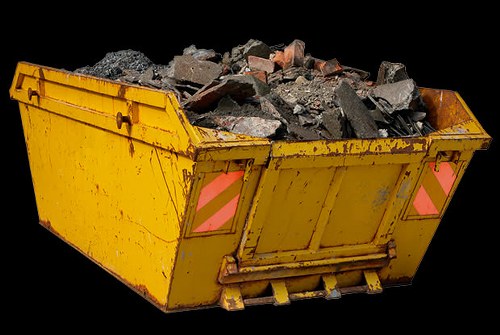 Skip Hire Crouch End is committed to protecting the health, safety and welfare of all staff, contractors and members of the public affected by our operations. This health and safety policy sets out the principles we apply across our skip hire services, rubbish collection and waste removal activities. It is the company’s aim to prevent incidents, reduce occupational ill health and ensure safe systems of work for every task; everyone has a role in achieving this.
The scope of the policy covers all aspects of the skip hire operation, including supply and collection of skips, transfer and transport of waste, loading and unloading on site, and temporary storage and handling. The policy applies to employed drivers, loaders, site operatives, office staff and subcontractors engaged to provide waste management and rubbish clearance. Responsibilities are allocated so that safety is managed consistently across domestic and commercial waste collection rounds and general skip hire activities.
 Responsibilities: Senior management will provide leadership, resources and oversight to ensure legal compliance and continuous improvement. Supervisors and site managers must implement safe working practices and maintain documentation such as risk assessments and method statements. Operatives and drivers must follow procedures, use personal protective equipment and report hazards. Contractors must demonstrate competence and adhere to our health and safety expectations when providing skip hire or rubbish removal services.
Risk assessment is central to safe operations. Written risk assessments will identify hazards associated with skip placement, manual handling of waste, interaction with traffic, lifting, and the potential for hazardous materials. Where risks cannot be eliminated they will be controlled using engineering, administrative controls and appropriate PPE. A register of assessed tasks will be maintained and reviewed when work practices or equipment change.
Personal protective equipment is provided where necessary and must be worn as required: hi-vis clothing, safety boots, gloves and eye protection for skip loading and rubbish removal. Vehicle safety rules include daily vehicle checks, secure load procedures and safe reversing practices. Clear signage and segregation of work areas reduces public exposure and protects operatives during delivery and collection of skips.
 Training and competence form a key part of the policy. All staff receive induction training covering health and safety responsibilities, manual handling, safe driving and correct skip handling techniques. Refresher training and toolbox talks address site-specific hazards, seasonal issues and changes to waste handling legislation. Records of training are maintained to demonstrate competence for drivers, operatives and supervisors involved in rubbish removal and waste collection.
Hazardous waste handling must comply with current regulations. Materials such as asbestos, chemical containers, batteries, solvents and other hazardous items must not be placed in general waste skips unless explicitly accepted and accompanied by documentation. Where hazardous materials are expected, specialist removal arrangements will be made to protect health and the environment and to ensure safe transfer and disposal.
Incidents, near misses and non-conformances are reported immediately and investigated to identify root causes and corrective actions. A formal incident reporting procedure ensures that lessons are learned and shared across teams providing skip hire, rubbish removal and site clearance services. Where required, statutory reporting obligations are observed and records retained for audit purposes.
Compliance monitoring is achieved through regular site inspections, vehicle checks and performance reviews. Internal audits evaluate the effectiveness of health and safety controls, while periodic management reviews ensure resources and policies remain relevant to day-to-day rubbish collection and skip hire operations. Where deficiencies are identified, action plans are implemented and tracked to closure.
Environmental controls are integrated with health and safety to prevent pollution and manage waste responsibly. Spill kits, containment procedures and clear guidelines for segregation of recyclables support cleaner operations. Our approach to waste transfer and rubbish clearance seeks to minimise impacts, encourage recycling and ensure skips are appropriately labelled and loaded to prevent spillage during transport.
Transport and traffic management measures include site-specific arrangements for skip placement, traffic cones, banksmen where required and clear instructions for customers and operatives. Drivers follow safe routing and loading practices to reduce risks on public highways and during site manoeuvres. Subcontracted hauliers are required to meet the same standards as in-house teams and must provide evidence of competence.
 The policy will be reviewed at least annually and whenever there are significant changes in operations, legislation or following a serious incident. Continuous improvement is encouraged through staff involvement, review of incident trends and adoption of recognised best practices in waste management and skip hire services. Everyone is expected to contribute, raise concerns and participate in safety initiatives.
 This health and safety policy is endorsed by senior management and applies across all our skip hire and rubbish removal activities. It sets out a clear framework for lawful, safe and responsible waste handling and transport. By working together to follow these requirements, we protect people, property and the environment while delivering efficient skip hire and waste collection services.
Key controls and commitments
- Risk assessment and method statements for all tasks
- Training and competency for drivers and operatives
- Safe vehicle and loading procedures for waste transfer
- Incident reporting and corrective action
- Environmental protection measures to prevent pollution
Signed and approved by management — this policy is a living document and will be communicated to staff and contractors involved in skip hire, waste collection and rubbish removal activities to ensure compliance and continual improvement.