Skip Hire in Crouch End
Skip hire in Crouch End is a straightforward way to keep domestic and trade clearances moving when waste begins to build up. Our service supports household projects, garden work, refurbishments and site clean-ups with skip options that suit common mixed loads, bulky items and heavier rubble. The aim is practical: provide a clear container, sensible collection and disposal, and a simple route for customers who need space cleared without unnecessary complications.
We handle planned waste removal for a range of jobs where a skip is the right fit. That can include renovation debris, old fixtures, garden waste and general rubbish from decluttering. For customers comparing options, the useful question is not only how much waste there is, but also how it will be loaded, whether access is straightforward, and which permit or placement rules apply. If you are weighing up sizes and timings, it is often sensible to request a quotation early so the right arrangement can be planned.
Alongside the main hire service, there are related choices for different site conditions and waste types. Some customers need a standard container delivered and collected on a planned schedule, while others benefit from wait and load skip hire where keeping a skip on the road is not suitable. If you need guidance on what can go in the container, what can go in a skip is a useful place to check accepted and restricted materials before the load starts to build.
Choosing the right skip for the job
Different jobs produce different kinds of waste, so the most suitable skip is not always the largest one. A compact domestic clear-out may only need a smaller container, while a kitchen refit, garden overhaul or strip-out may require more capacity or a more robust approach to heavier materials. Matching the load to the hire helps keep the collection efficient and reduces the chance of awkward overfilling or wasted space.
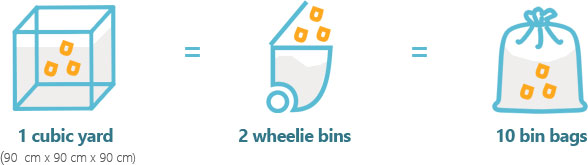
Skip size is only one part of the decision. Access, driveway width, loading method and the type of waste all matter. Mixed lighter waste can often be packed differently from soil, rubble or broken masonry, and that affects how the container is used day to day. If you want a simpler comparison before you order, the skip sizes and prices page sets out the common options in one place so you can compare likely capacity needs with the sort of job you are planning.
In practice, the best choice is usually the one that keeps your project moving without forcing you to juggle repeated collections. Capacity, weight and access should all be considered together. For busy households and trades, that usually means deciding whether a single skip is enough or whether a different removal method would suit the site better.
Household clearances and renovation waste
Household projects often generate waste in stages rather than all at once. A loft clear-out, garage tidy, bathroom replacement or room redecorating job can produce a surprising mix of packaging, old fittings, timber, worn furnishings and general clutter. A skip can provide a fixed point for disposal, which is especially useful when a project stretches over several days and items are coming out gradually.
For home improvements, it is worth thinking about how the waste will be handled before work begins. Heavy material should not be mixed carelessly with lighter rubbish if it makes loading awkward, and some items may need separate arrangements. If the job includes furniture, fixtures or mixed household debris, the related services on house clearance and garage and loft clearance can help explain how different domestic jobs are approached. This is especially useful when you want a clearer picture of what can be removed in one go and what needs a different plan.
When you prepare an enquiry, two details are especially helpful: the main material type and the access available for delivery. Photographs can also be useful where the space is tight or the pile is unusually shaped. Clear, practical information helps keep the quote aligned to the job rather than to guesswork, and it makes it easier to arrange the right collection method from the start.
Commercial and building waste
For builders, landlords, fitters and other commercial customers, the main value of skip hire is predictable disposal. Ongoing works often create a steady stream of broken plaster, timber offcuts, packaging, tiles, old units and similar debris. A skip provides a central point for that material so a site does not become cluttered with repeated piles or improvised bags that need to be moved again later.
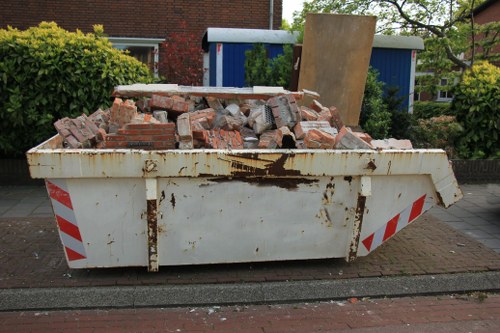
Projects with heavier waste need a considered approach. Masonry, concrete, soil and mixed construction debris can place different demands on collection and loading, so the chosen service should fit the nature of the work rather than simply the scale of it. For more specialised building waste, the pages for builders skip hire and construction waste disposal describe services commonly used where renovation and building activities produce substantial waste streams.
On active sites, good waste planning is part of the workflow. It is often easier to maintain momentum when a skip is placed where it can be loaded safely and without blocking movement around the job. Keeping waste separated where practical can also make disposal more orderly, particularly when reusable material, recyclable debris and general rubbish are all appearing at different stages of the work.
Load types, restrictions and practical planning

Not every waste stream should be treated the same way. Some items are straightforward general waste, while others may be restricted, controlled or better handled through a dedicated service. This matters because a skip is only suitable when the load matches the accepted material profile. Anything with a specific disposal route needs to be checked in advance so the collection remains safe and compliant.
Useful planning usually starts with the main categories of waste rather than with the container itself. For example, garden cuttings behave differently from demolition rubble, and white goods or contaminated materials may require separate arrangements. If your job includes items that need another solution, related pages such as garden waste removal and fridge and appliance removal are helpful references for understanding when a skip is not the best option. For restricted loads, hazardous waste disposal is the safer route.
- Check whether the waste is mixed, bulky, heavy or specialist.
- Confirm access for delivery and later collection.
- Think about whether the material will be loaded in one session or over several days.
- Separate obvious restricted items before the skip arrives.
Permit, access and placement considerations
Where a skip can sit makes a real difference to how easy the job is. Private driveways and off-road positions are usually simpler, while roadside placement may involve extra checks or permission. That is why access matters at the quoting stage: it influences how the container can be placed, how delivery is carried out and whether any permit-related step needs to be considered before the waste starts to accumulate.
If your project needs a public-road position, the guidance on skip permits is useful background before you proceed. For some customers, a different delivery method is more convenient than waiting for a roadside arrangement, particularly where street space is limited or the site entrance is tight. In those cases, same day skip hire may be relevant where timing is important and the order needs to be handled efficiently.
It is also worth thinking about loading safety. A skip should be usable without creating avoidable hazards for people moving around the property or worksite. Good placement supports better loading, reduces the chance of wasted effort and helps the waste removal process stay orderly from start to finish.
Domestic projects and decluttering choices

Domestic use for skip hire often begins with a single practical task: reclaiming space. That might mean clearing a loft, emptying a garage, replacing worn household items or gathering together the debris from a series of small jobs that have become inconvenient. A skip keeps disposal contained, which can make it easier to finish the work without repeated journeys to a disposal site.
Some domestic customers only need a short-term container, while others find it helpful to combine hire with wider clearance planning. Where bulky household waste needs to be removed in one coordinated process, services such as domestic skip hire, rubbish removal and mattress and sofa disposal may help you decide which route suits the materials best. The right choice usually depends on whether the load is mostly mixed bagged waste, larger furniture, or a combination of the two.
When arranging a quote, keep the description plain and specific. Mention the main waste type, whether there are awkward heavy items, and how accessible the loading point is. That is usually enough for a sensible recommendation. Simple, accurate details are more useful than broad estimates that do not reflect the actual task.
About Crouch End
Crouch End is a district in the London Borough of Haringey, in north London, known for its mix of residential streets, local shopping routes and a distinct village-like high street character. The area sits on rising ground between several well-known parts of north London, and its name has long been associated with the bend or “crouch†in the road network that helped shape local movement patterns. Much of Crouch End developed in the nineteenth century as London expanded, with housing, shops and civic buildings replacing earlier rural land use. The district’s built environment still reflects that growth, with terraces, converted houses and later infill development creating a varied streetscape rather than a single uniform style. The area is notable for landmarks such as the Crouch End Clock Tower, a red-brick structure erected in 1895 to commemorate Queen Victoria’s Diamond Jubilee after a local campaign led by residents. The tower stands as one of the best-known focal points in the district and helps define the centre of the shopping area. Nearby, the former Hornsey Town Hall is another important architectural landmark, widely recognised for its 1930s modernist design and later conservation interest. Crouch End also has strong links to local culture and community life, with independent shops, cafés and venues contributing to the area’s identity. The surrounding streets connect towards parks and open spaces in Haringey and neighbouring parts of north London, so the district combines a dense urban feel with easy access to quieter green routes. These features make Crouch End a place where historical layers, everyday local commerce and residential character sit side by side.
For customers in the district, this mix of homes, businesses and older buildings often means that waste needs arise from a wide range of property types and projects. However, the practical focus remains the same: clear the material efficiently, choose the right disposal method and keep the process manageable from start to finish.
Site clearances and larger waste moves
Some jobs go beyond a single household or a one-off domestic tidy-up. Site clearances, strip-outs and larger waste moves can involve material arriving from several parts of a property or from successive stages of work. In these situations, it helps to think about the waste stream as a sequence: demolition fragments first, then packaging, then mixed debris as the task progresses. A well-placed skip can support that rhythm by giving the site a reliable dumping point.
When the task involves larger volumes or more varied materials, customers often compare skips with other collection methods. site clearance is useful where an area needs to be emptied as part of a wider works package, while demolition waste removal and construction waste clearance are relevant where the material profile is dominated by building debris. If the work is heavy and loose rather than packed, grab hire services can be a practical alternative worth considering.
What matters most is choosing a disposal method that fits the workload rather than complicating it. Orderly waste movement reduces time lost to double-handling and helps keep the working area functional, whether the job is domestic, commercial or mixed in nature.
How to prepare a quotation request

A clear quotation request usually needs only a few facts. Start with the type of waste, the approximate volume and the place where the skip would be located. If the access is tight, if the waste is unusually heavy or if the job includes mixed items that may need separate handling, say so at the outset. That gives a more reliable basis for recommending a suitable service and avoids unnecessary back-and-forth later.
For customers who prefer to review arrangements online, the pages for pricing and quotes and book online are useful next steps once the job details are known. You can also look at recycling and sustainability if you want to understand the broader disposal approach used for recoverable materials. Good preparation is mostly about giving enough information to match the service to the work, not about providing a long explanation.
If you are ready to move ahead, request a quotation and choose the skip hire option that fits your project in Crouch End.